The Sixth Floor Museum at Dealey Plaza: A Quest Through Historical Times
The Sixth Floor Museum at Dealey Plaza constitutes a weighty destination for comprehending the killing of President John F. Kennedy. Positioned in the previous Texas School Book Depository, it holds crucial exhibits that deliver context to that tragic day. Visitors experience a mixture of historical artifacts and interactive presentations. As they traverse the museum, questions about JFK's persistent legacy and his effect on American society naturally emerge. What understanding might they bring to light?
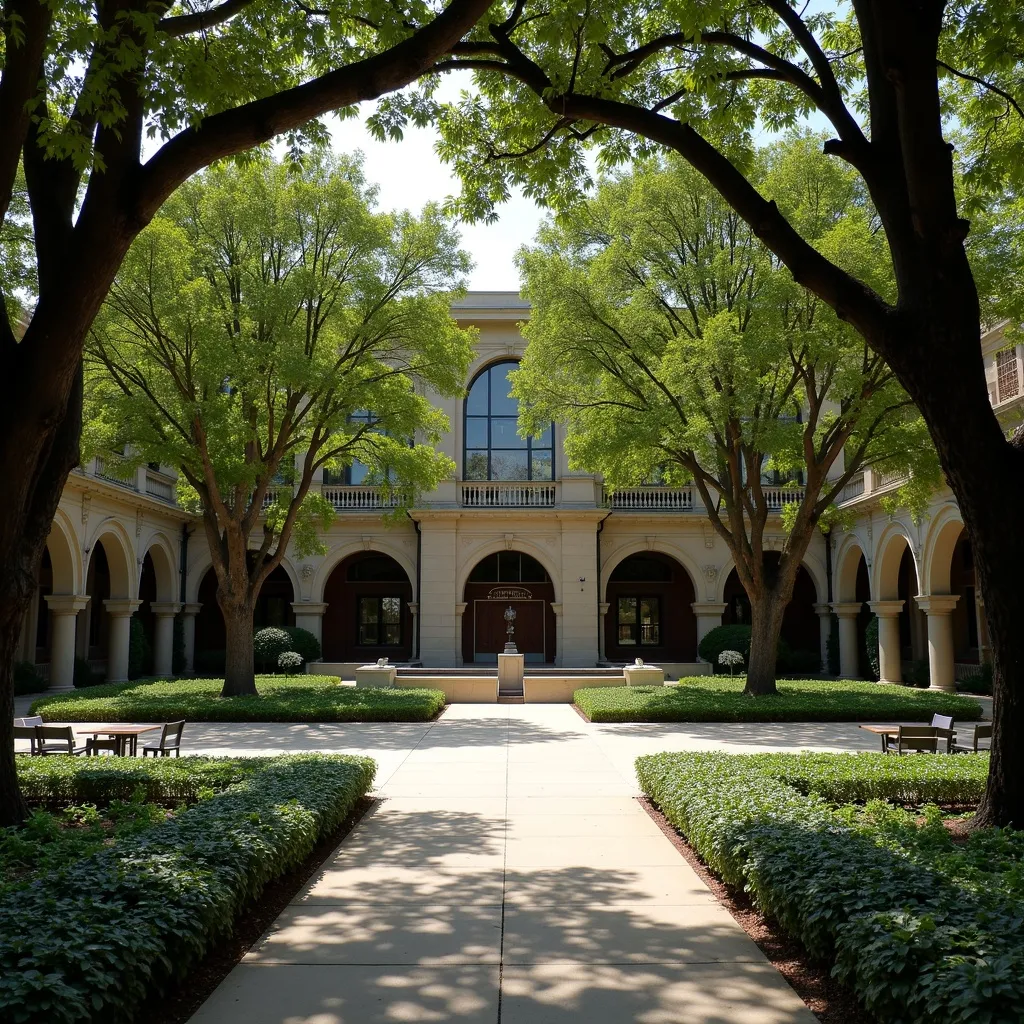
The Historical Value of Dealey Plaza
Although commonly identified for its sorrowful association with the assassination of President John F. Kennedy, Dealey Plaza holds a rich historical meaning that surpasses this pivotal moment. Located in Dallas, Texas, the plaza was built in the early 20th century and reflects the architectural intentions of the time. It served as a central hub for civic life, hosting various public events and gatherings, marking it as a focal point in the city's development.
The juxtaposition of contemporary and ancient elements is evident in the nearby structures, including the former Texas School Book Depository. This venue, now the Sixth Floor Museum, offers insights into the circumstances of November 22, 1963. Dealey Plaza is far beyond just a site of mourning; it has become an symbol of transition, reflecting the turbulent social and political conditions of the timeframe. Its value as a public space remains to attract visitors endeavoring to comprehend its complex legacy.
Visitor Information: Hours, Admission, and Access Options
The Sixth Floor Museum at Dealey Plaza welcomes visitors year-round, offering a range of hours to accommodate different schedules. Typically, the museum is open from 10 AM to 5 PM, with prolonged hours during peak seasons. Tickets can be acquired online or at the museum entrance, with markdowns available for students, seniors, and groups. It is advisable to buy tickets in advance, especially during busy periods.
Accessibility is a key focus at the museum. The facility is equipped with ramps and elevators, ensuring that all visitors, including those with mobility challenges, can explore the exhibits comfortably. Additionally, the museum provides assistive listening devices and materials in large print for those who need them. With its dedication to inclusivity, the Sixth Floor Museum endeavors to make the experience enriching for everyone, allowing all visitors to engage with the historical significance of the site.
Why Is This Place Significant to JFK's Narrative?
An important component of John F. Kennedy's account, the Sixth Floor Museum at Dealey Plaza presents a emotional memento of the unstable events related to his assassination on November 22, 1963. This venue is where Lee Harvey Oswald The Sixth Floor Museum at Dealey Plaza hour launched the fatal shots that transformed the course of American history. Positioned in the Texas School Book Depository, the museum not only celebrates JFK's influence but also investigates the broader effects of his presidency and the era's political landscape. The plaza has evolved into a symbol of both tragedy and transformation, capturing the nation's collective grief and the questions that persisted in the aftermath. By safeguarding artifacts and narratives from that fateful day, the museum promotes reflection on the impact of Kennedy's leadership and the profound loss felt across the United States. Consequently, Dealey Plaza stands as a critical site for understanding the complexities of JFK's life and legacy.
Key Exhibits: What to See at The Sixth Floor Museum
At the Sixth Floor Museum, visitors can explore a range of displays that clearly depict the events surrounding JFK's assassination and his lasting legacy. Among the key exhibits is the famous sniper's perch, which provides insight into the viewing location from which Lee Harvey Oswald fired. Historical photographs and documents chronicle the assassination day, allowing guests to experience the moment as it unfolded. Additionally, the museum presents personal artifacts belonging to Kennedy, highlighting his presidency and life. Visitors can interact with displays that examine the impact of his assassination on the nation and the world, stressing themes of hope and change. Each exhibit serves to deepen the understanding of JFK's influence and the deep national mourning following his death, making the museum a poignant memorial to a pivotal moment in American history.
Multimedia Displays and Creations to Browse
While touring the Sixth Floor Museum, visitors encounter a diverse collection of audiovisual displays that illuminate the story of JFK's life and assassination. These dynamic exhibits present recorded videos, audio content, and hands-on exhibits that transport guests to crucial instances in history. Importantly, a timeline of events connected to the assassination permits a more complete knowledge of the background and significance of that pivotal occasion in 1963.
Artifacts including original newspaper headlines, personal letters, and photographs more deeply involve visitors, delivering tangible connections to the past. The museum's commitment to presenting varied viewpoints is clear in its meticulously organized content, which encompasses first-hand accounts and scholarly analyses. Combined, these artifacts and multimedia elements produce an immersive experience, encouraging guests to reflect on not only JFK's legacy but also the greater effect of his presidency on American history. This deliberate combination of technology and historical materials promotes a more profound recognition for the complexities of the era.
Learnings Derived from Guided Tours and Educational Programs
What ways do structured tours and instructional programs enrich the visitor encounter at the Sixth Floor Museum? These efforts provide structured, insightful explorations of the museum's rich historical setting. Expert guides direct visitors through pivotal moments in American history, interweaving narratives that relate artifacts with their broader significance. This narrative technique encourages a deeper emotional engagement, as participants gain perspectives that inspire critical thinking.
Educational programs including seminars and training sessions further enrich the experience by providing specialist knowledge into specific themes such as the influence of broadcasting on public perception during the 1960s. By facilitating discussions and inviting inquiries these programs create an engaging educational environment.
Reflections on JFK's Legacy and Influence on America
The influence of John F. Kennedy continues to influence American politics and culture, representing his outlook for a more inclusive society. His executive tenure sparked major transformations, impacting both public policy and social outlooks. As the nation contends with ongoing change, JFK's significance endures as a principal focus for discussion and analysis.
Prolonged Significance in Politics
Although John F. Kennedy's tenure was shortened, his effect on American politics persists as profound. His vision of a "New Frontier" motivated a generation of people to take part in civic engagement and strive for transformative reforms. Kennedy's promotion of civil rights, notwithstanding initial reluctance, indicated a significant shift in the national discussion, establishing the foundation for subsequent legislation. His commitment to addressing international challenges, shown by the Peace Corps, stressed an duty for global partnership. The principles he advocated, such as social justice and economic equality, keep resonating in today's political discussion. Furthermore, the tragedy of his assassination energized the public mood, changing the political landscape and catalyzing widespread contemplation regarding leadership and governance in America. JFK's legacy remains powerful, shaping political aspirations to this day.
Cultural Shifts and Change
Kennedy's presidency not only shaped political aspirations but also sparked significant cultural shifts across America. His vision of a "New Frontier" inspired a generation, stressing civil rights, space exploration, and social improvement. The optimism of the early 1960s encouraged a sense of unified identity, prompting young Americans to tackle issues such as equality and civic responsibility. Additionally, Kennedy's magnetism and compelling speeches had impact, shaping popular culture and media portrayals of leadership. The tragic assassination in 1963 intensified this cultural effect, strengthening his status as a representation of hope and change. As a result, Kennedy's legacy persists in evoking reflection on American values and aspirations, initiating ongoing discussions about the nation's direction and the relevance of civic engagement.
Frequently Asked Questions
May I photograph photos in the Sixth Floor Museum?
Picture-taking inside the museum is generally not allowed to safeguard the exhibits and show respect for the memorial ambiance. Visitors should examine specific guidelines upon arrival, as policies may shift for unique occasions or exhibitions.
Do age restrictions apply for guests?
There are no specific age restrictions for attendees. The museum invites individuals of all ages, inspiring family groups to browse its displays and learn about the historical value of the place.
Does the Museum Permit Food and beverages?
Consumables and drink cannot be brought inside the museum to protect the integrity of the exhibits and provide a respectful setting for all patrons. Guests are urged to enjoy refreshments in designated locations beyond the building.
How long Does a Standard Appointment Last?
A common visit to the museum lasts approximately one to two hours. Visitors often study exhibits, connect with multimedia displays, and learn historical context, making the experience both instructive and reflective for each individual.
Do special events or planned activities take place throughout the year?
The museum conducts sundry programs and special events throughout the annual cycle, such as exhibitions, commemorative activities, and lectures, intended to attract visitors and deepen their understanding of history and its significance in the Dallas community.